
Timing & Booking
Book by Late October, Install Before the Light Goes
October 7, 2026
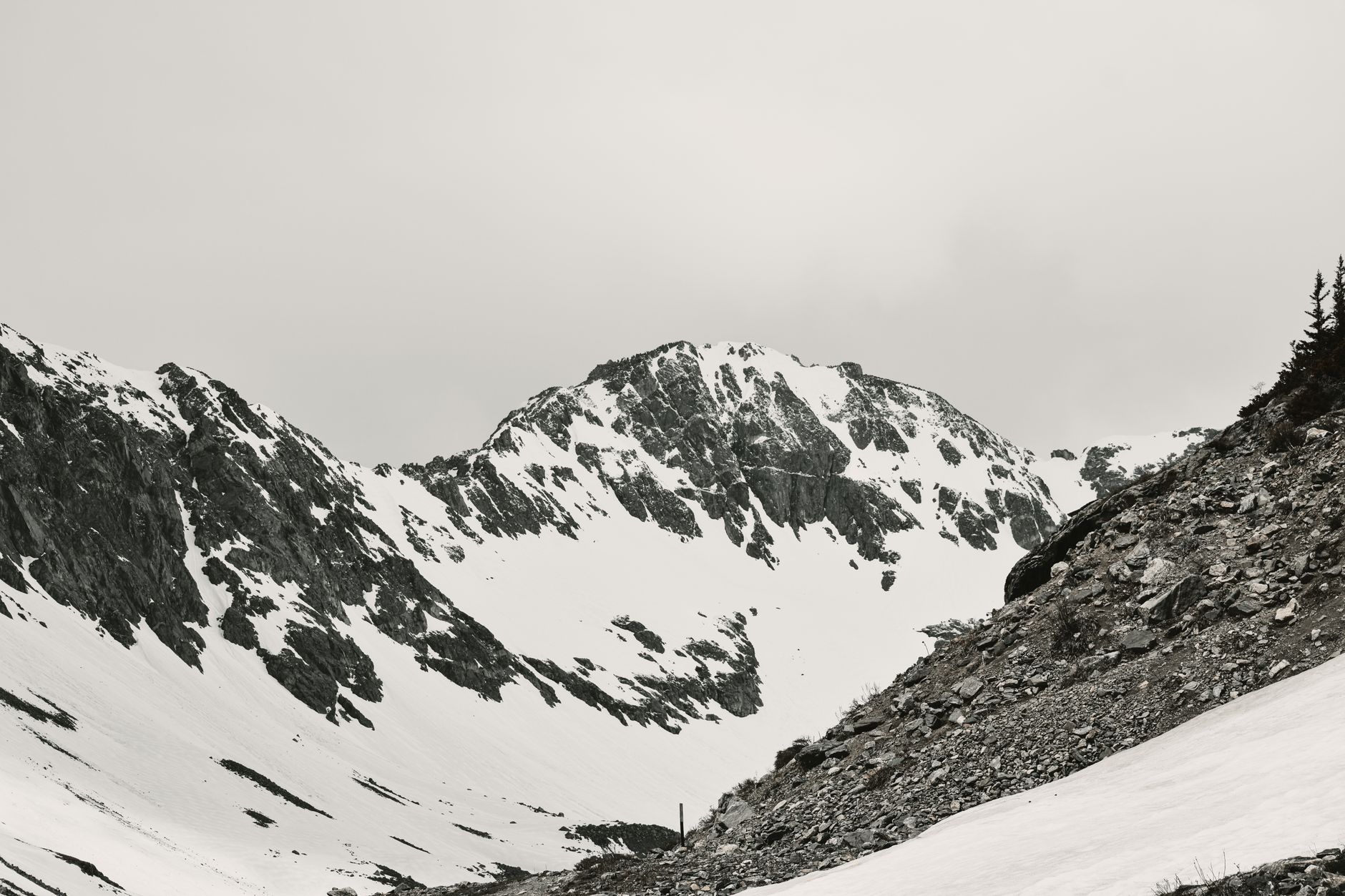
On November 1 in Frisco, the sun clears the horizon around 7:30 a.m. and drops behind the Tenmile Range well before the clock says sunset. By early December, the official day is about nine and a half hours long — but that's the flat-earth version, measured from a prairie. Put a 12,000-foot ridge on your western skyline and the usable working day on a roof shrinks to something closer to four hours of safe, warm, well-lit time.
That number is the whole reason the install calendar in Summit County runs the way it does. A crew can't hang lights in the dark on a frosted standing-seam roof. So the season compresses, and the homes that get the careful version of the job are the ones booked before the compression starts.
Mountain shadows cut the day before the sun does
Astronomical daylight is one thing. Working daylight is another. A house on the east side of Dillon Reservoir catches morning sun early and loses it to the Gore Range by mid-afternoon. A property on Peak 7 in Breckenridge sits in shadow until the sun climbs over Baldy. Copper Mountain at 9,712 feet is ringed on three sides.
Then subtract the part of the morning when the roof is still glazed. Frost on a metal panel doesn't burn off at 9,000 feet the way it does at 5,000. On a north-facing pitch in Silverthorne, it may not burn off at all. A crew that arrives at 7:30 a.m. in mid-November is often waiting until 10 for a surface that's safe to stand on, and packing up at 3:30 because the light is gone and the temperature is dropping through the teens.
Ten to three-thirty. Call it four and a half hours on a good day, less when wind picks up over the ridges or a squall rolls through Loveland Pass.
What gets cut when the day gets short
A thorough install isn't only the time spent clipping bulbs to a fascia board. It's the walkaround, the measuring, the decision about where to run the feed lines so they disappear against the trim, the testing of every run before the ladder comes down, the cleanup. On a long October afternoon, that all fits. On a short, cold November one, something has to give — and what gives is usually the detail work that makes a display look designed rather than draped.
Booking in late October buys the crew the longest days still available in the season. It also buys the ability to come back. If a run tests dark or a clip placement looks wrong from the street at night, there's room in the schedule to return. By December 10, there isn't.
Snow changes the job, not just the schedule
Summit County's first accumulating snow arrives whenever it wants. Some years that's mid-October. The forecast isn't the point — the point is that once snow sits on a roof, the job changes character.
Standing-seam metal is everywhere up here, and it's unforgiving. No adhesive holds on cold-cycled metal, and nobody should be drilling into a panel that's engineered to shed snow in sheets. The hardware that works is non-penetrating seam clamps, and placing them correctly means getting hands on clean, dry seam. Snow in the pans turns that into a guessing game. Ice in the gutter line means the gutter clips go on over a ridge of frozen debris instead of flush against clean metal — and in February, when an ice dam builds behind them, that's where things pull loose.
Installing on a bare roof in late October is a different job than installing on a snow-loaded one in late November. The first one lasts the season. The second one gets a service call.
Wind exposure argues for the same calendar
Lakeside properties around Dillon and Frisco Bay, and anything sitting on an exposed ridge above Silverthorne, take sustained wind through the winter that a sheltered valley house never sees. Those displays need tighter attachment intervals — clips closer together, more strain relief at corners, cords secured where a gust would otherwise work them loose over eight weeks.
That's extra time on the ladder, and ladder time is exactly what November daylight rations. A wind-exposed property booked in late October gets the attachment schedule it needs. The same property squeezed into a mid-December slot gets standard spacing, because standard spacing is what fits.
Second homes and rentals have a harder deadline
If you own a place in Keystone or Breckenridge that books through the holidays, your real deadline isn't Christmas. It's the first guest arrival of the season, which for a lot of properties is Thanksgiving week. Lights need to be on, tested, and working before someone else's family walks in the door.
Remote owners also need the walkthrough handled without them. We design on-site, photograph what we install, and send it over — so an owner in another state knows exactly what's on the house. That coordination takes a phone call and a scheduling conversation, and both are easier to arrange in October than in the second week of November when every crew in the county is running out of daylight.
What to do this week
Three things make a late-October booking go smoothly:
- Know your roofline. Rough linear footage of the fascia you want lit, plus whether it's metal, asphalt shingle, or a mix. A guess is fine — we measure on-site.
- Check your HOA. Several Summit County developments set install and removal dates, and some restrict color or bulb style. Easier to know now than to re-plan in December.
- Flag your access problems. Steep driveway, gate code, no plowing until the first storm, dogs in the yard. These are the things that eat an afternoon.
We're Frisco-based, with a crew that has over 15 years of professional lighting installation experience behind it. We design the display on-site, install it with commercial-grade materials rated for sub-zero cycling, service it through the season, and take it down in January. You don't touch a ladder.
Tell us your address and roughly how many feet you're thinking, and we'll put together a free estimate while the days are still long enough to do the job right.