
Local Expertise
Frisco Roof Access Closes Before Thanksgiving
October 20, 2026
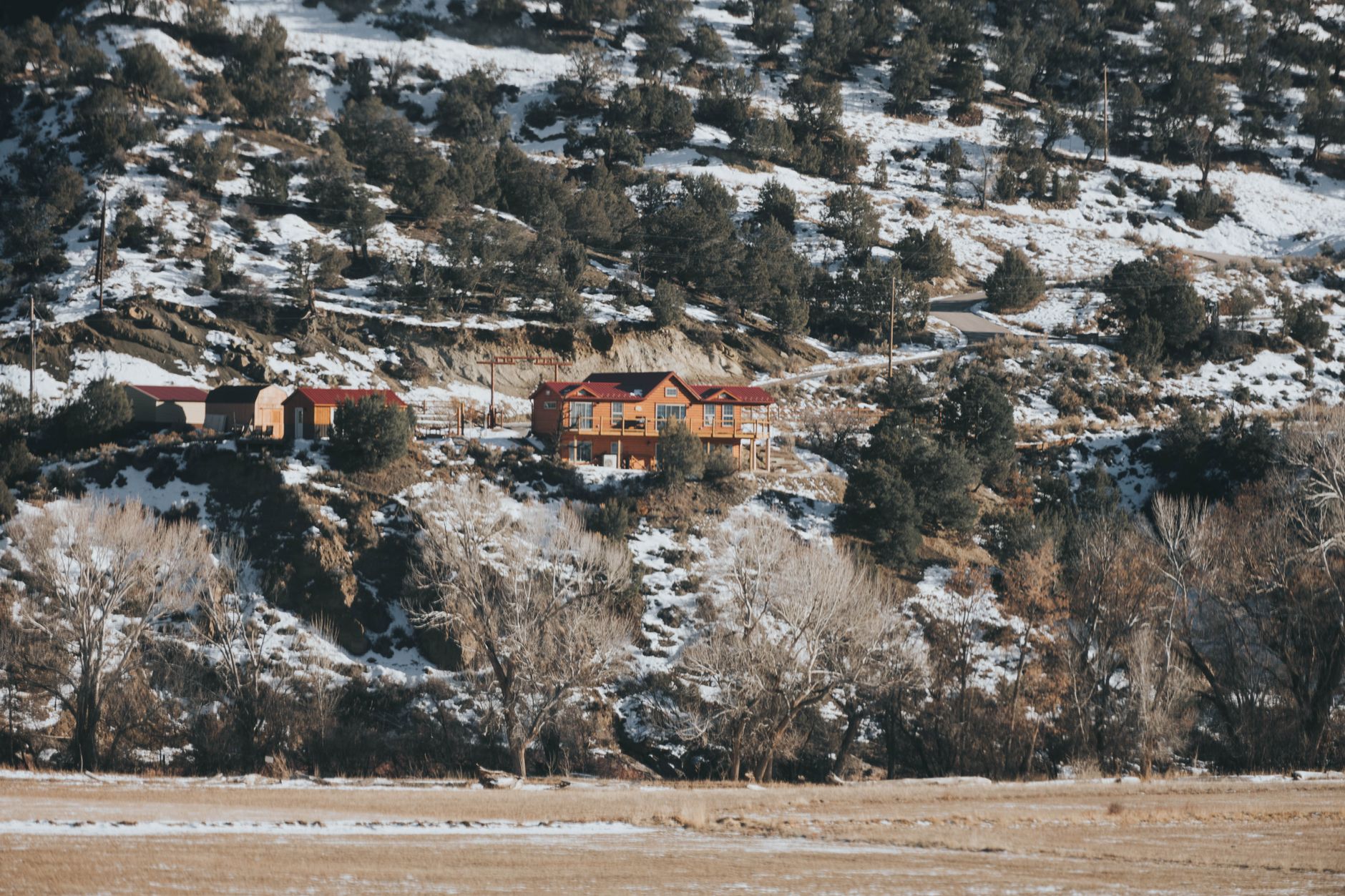
Frisco sits at 9,097 feet. By the second week of November, the sun clears the Tenmile Range late and drops behind Peak One early, and a north-facing roof can hold snow and rime from the first storm all the way through March. That's the problem. A Christmas light display has to be measured, fitted and fastened to a roof surface a person can actually stand on — and in Summit County, the number of days that surface is walkable drops off fast after Halloween.
Property managers running short-term rentals and second-home owners who show up for Thanksgiving tend to think of lights as a December decision. At this elevation, it's a late-October-to-mid-November decision. Here's what's actually driving that calendar.
Snow doesn't melt off a Frisco roof the way it does on the Front Range
Down at 5,000 feet, an early-season storm drops four inches and it's gone by Thursday. In Frisco, a November storm lands on a cold deck and stays. What melts does so from underneath — heat escaping through the roof assembly — and refreezes at the eave where there's no heat behind it. That's the ice dam cycle, and once it starts, the first three feet of your roofline above the gutter is a sheet of ice under a crust of snow.
That strip of roofline is exactly where the lights go. Measuring a run of fascia you can't see, and setting clips on a surface you can't grip, isn't a matter of working harder. It's a different job with a worse result, and it's how fastener spacing gets sloppy and strings sag by mid-December.
Standing-seam metal is common here, and it changes everything
A large share of Frisco homes — especially the newer builds and anything rebuilt for snow shedding — run standing-seam metal. Metal roofs are the right call for this climate. They're also the reason adhesive clips and screw-in hardware are off the table. Nothing penetrates a metal panel on our installs, and nothing gets glued to it, because adhesive in sub-zero cycling lets go and a penetration in a snow-shedding panel is a leak waiting for spring.
The alternative is seam-mounted hardware that clamps to the raised rib, sized to the specific seam profile on your roof. There are a lot of profiles out there. Determining which one you have is a hands-on measurement, not something anyone can do from a photo or a satellite image. Once that seam is buried under eight inches of settled snow, the clamp can't be fitted and the panel can't be identified.
Wind exposure sets your attachment intervals, and wind picks up in November
Frisco properties near the Dillon Reservoir shoreline and anything up on a ridge take a steady westerly load. Wind is what determines how tightly a run gets clipped — a sheltered interior lot might go at standard spacing, an exposed gable facing the open water gets tighter intervals and extra anchor points at the corners.
Making that call means standing on the property and reading the exposure: which faces are scoured bare in winter, where snow drifts against the house, how the wind comes off the lake. That's a walk-through, and walk-throughs get harder once the driveway is bermed and the yard is thigh-deep.
Daylight is the quiet constraint nobody plans for
In mid-November, Frisco gets roughly nine and a half hours of daylight, and the mountains take a bite off both ends. A crew on a north-facing roof loses usable, un-iced working light by about two in the afternoon. Add a storm day or two and a week of install capacity turns into three working days.
That compression is why the calendar fills from the bottom up. The last two weeks before Thanksgiving are the most-requested slots in the county, and they're also the shortest working days of the install season. Booking a measurement in September or early October is what gets a property into the comfortable part of the schedule instead of the scramble.
What to do in the next few weeks
If you own or manage a Frisco property, three things are worth handling now:
- Get the measurement on the calendar while the roof is dry. The design walk-through is where roof type, seam profile, wind exposure, power locations and run lengths all get recorded. Do it once in good conditions and the install itself goes fast.
- Check your HOA rules before you design. Several Frisco and surrounding developments set limits on display timing, color and whether anything can be mounted to shared or exterior-facing structures. Finding that out in October is a design note. Finding it out in December is a removal.
- Confirm exterior power and GFCI outlets now. If an outlet is dead or an exterior circuit was shut off after summer, that's an electrician's visit, and electricians in Summit County are not loosely booked in November.
For rental owners, there's one more: tell us your booking calendar. Install days and service visits can be scheduled around guest turnovers so nobody's working over somebody's ski vacation. That coordination is easier to arrange in early fall than in the week before a holiday block.
The crew behind this
Summit Mountain Lights is based in Frisco, and the crew is backed by more than fifteen years of professional lighting installation experience. We design the display on-site, install it with commercial-grade materials rated for this cold, service it through the season, and take it down in January. The storage is ours to handle too. You don't touch a ladder, and you don't climb onto an iced metal roof in December to chase a dark section.
Being local matters most in the middle of the season. When a string goes out the week of Christmas, we're ten minutes away, not three hours down I-70 and over Loveland Pass.
If your Frisco roof is still dry, this is the window. Tell us your address and roughly how many feet of roofline you're thinking about, and we'll get a free estimate back to you.