
Timing & Booking
Steep Roofs and the Shrinking Install Window
November 2, 2026
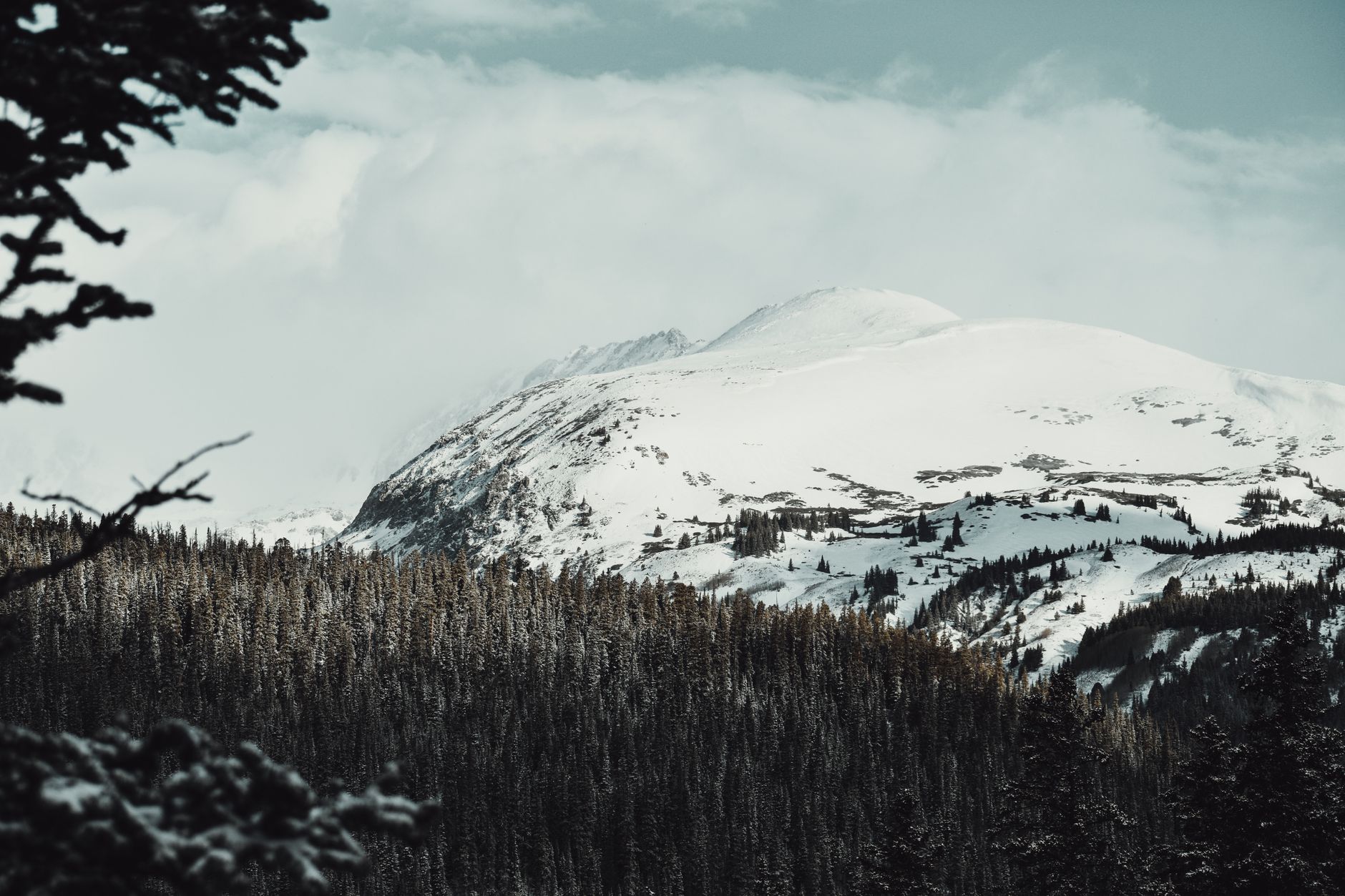
A 12:12 pitch on a standing-seam metal roof in Breckenridge is a different job than a 4:12 asphalt roof in a Front Range subdivision. Dry, with sun on it, it's workable. With a quarter inch of overnight frost on it, it's a slide. That one fact — the roof has to be dry and above freezing to be worked safely — does more to determine when your lights go up than any calendar we keep.
Homeowners and property managers often assume the install date is a scheduling question. It's partly a weather question, and in Summit County the weather holds most of the votes.
Pitch and surface decide whether a crew can be up there at all
Mountain architecture here is built to shed snow. Steep pitches, metal panels, long unbroken runs from ridge to eave. Great for snow load, hard for anyone who needs to be on that surface for two hours clipping C9s to a drip edge.
Three conditions change the calculus:
- Standing-seam metal. No adhesive, no penetrating hardware — the panels can't be compromised and the coating can't be cut. Attachment happens with seam clamps and gutter clips, which takes more time per linear foot than a shingle job, which means more hours of dry conditions required.
- Frost and shaded aspects. A north-facing roof slope in Keystone or Frisco may not clear frost until mid-morning in November, and some don't clear at all. Crews work the sunny elevations first and come back for the shaded ones.
- Snow already on the roof. Once accumulation sits on a steep metal panel, a crew isn't clearing it to install. The job either waits for melt-off or shifts to ground-level and roofline-from-ladder work only.
At 9,712 feet at Copper Mountain, melt-off in late November is not something to count on. At 8,700 feet in Silverthorne you get more forgiving windows, but not many more.
November daylight disappears faster than most people plan for
Usable work light in Summit County in late November runs roughly from the time frost burns off to the time the sun drops behind the ridgelines — and the ridges here take the sun early. On a west-facing property in Frisco the light can go flat by mid-afternoon even though sunset is technically later.
Subtract the morning frost hour, subtract the early ridge shadow, and a crew's safe working day on a steep roof can be five or six hours. That's the real unit of scheduling. A large multi-gable home with a detached garage and tree wraps isn't a one-day job in that window.
Wind closes the window with no notice
Lakeside properties around Dillon Reservoir and anything on an exposed ridge get gusts that end roof work outright. Nobody is standing on a steep metal panel at 30 mph. Wind also drives the design: those properties need tighter clip intervals so a season of gusting doesn't sag a run or pull a line off the gutter.
The practical effect is that a crew may lose a scheduled day entirely and need a makeup slot. The later your install sits in the calendar, the fewer makeup slots exist behind it.
What steep-roof homeowners should do in September and October
The answer is not complicated, and it's mostly about moving earlier in the queue.
- Get the design walk done before snow. We measure, photograph, and plan attachment points on-site. Doing that in September or early October on a dry roof is faster and more accurate than guessing at it in a storm window.
- Book a date that sits in early-to-mid November if your roof is steep or metal. Lower-pitch homes and ground-level displays have more flexibility later. Steep roofs don't. If your home needs a dry, calm, frost-free morning, you want several of those still on the calendar behind your date.
- Tell us about the aspect. Which slopes face north, which gables stay shaded, where the ice dam formed last year. That changes sequencing on install day and it changes the design.
- Property managers: stagger the portfolio. If you oversee several short-term rentals in Breckenridge and Keystone, the steep-roof units should be scheduled first and the simpler ones last. Grouping by geography alone leaves the hardest work for the worst conditions.
- Check your HOA rules now. Several Summit County developments set limits on what can go up and when. Finding that out in November costs you a slot.
Why going up early is better than going up perfectly
There's a temptation to wait until closer to Thanksgiving so the display feels timely. On a steep roof at this elevation, that trade is bad math. Lights installed in early November and left dark until you want them on cost you nothing. Lights not installed because the roof has been under four inches of snow since November 18 cost you the season.
Professional-grade commercial strings handle the sub-zero cycling that makes consumer strings go brittle and drop sections, so sitting on the roof for three extra weeks before you flip them on isn't a problem. The materials are built for it. Your install date is the fragile part, not the lights.
What we're doing about it on our end
We design on-site, install with professional-grade materials, service the display through the season, and take it down in January. Steep metal at 9,000 feet is the normal case here, not the exception — the crew has been hanging lights for more than fifteen years and this is the roof type we plan around first. Being Frisco-based matters most in exactly these moments: when a weather window opens at 9 a.m. on a Tuesday, we're twenty minutes away, not two hours.
If your home or rental has a steep pitch, a metal roof, or an exposed ridge position, September and October are when that job gets scheduled properly. Tell us your address and roughly how many feet of roofline you're thinking about, and we'll come look at it.